We assess a range of skin concerns, monitor spots over time and provide selected minor procedures in practice when appropriate.
Includes
Skin checks & skin cancer surveillance
Keep an eye on your skin
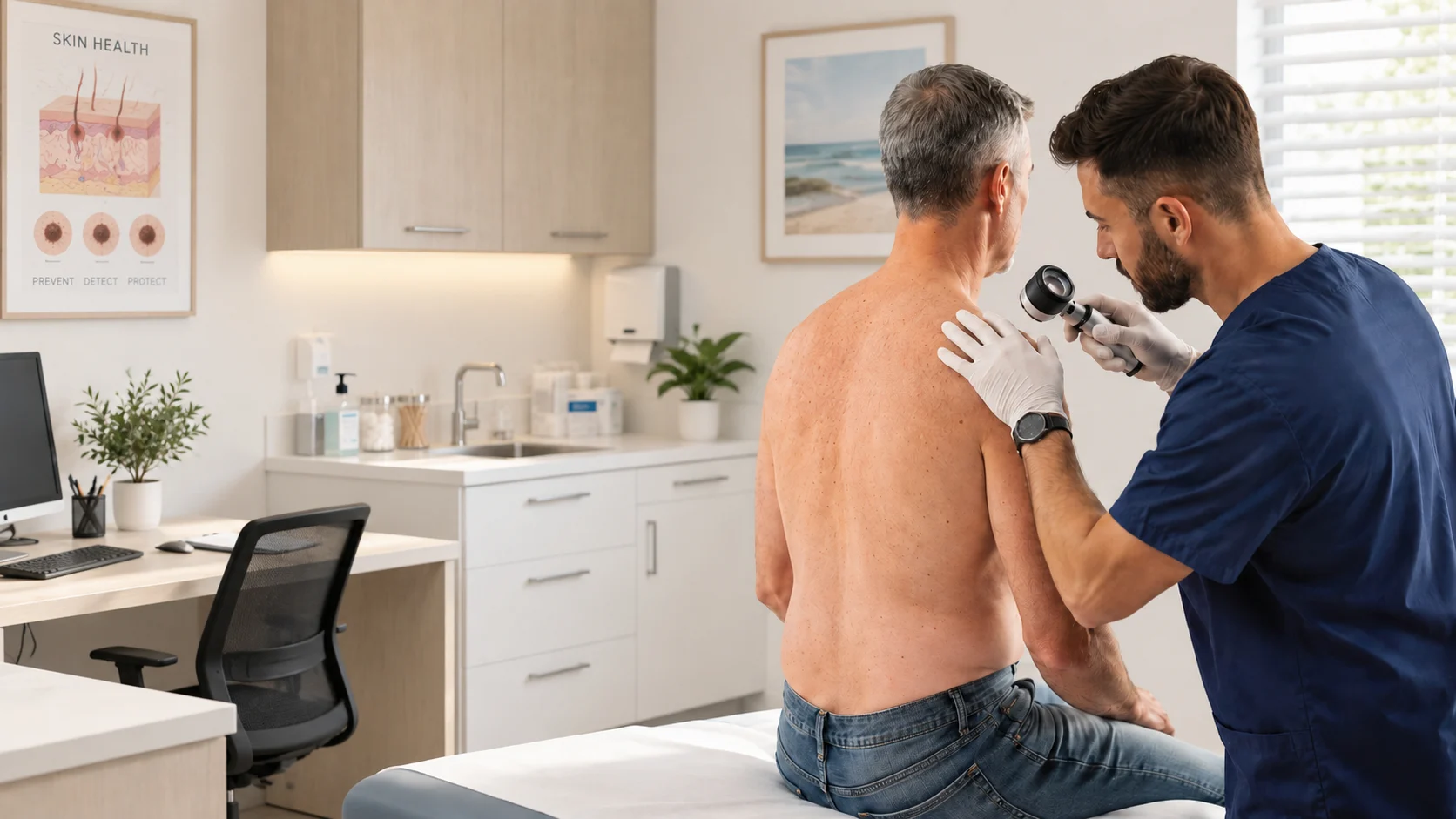
Regular skin checks can help identify suspicious lesions earlier, especially if you have significant sun exposure, a personal or family history of skin cancer, or a spot that looks new, changing or different.
ABCDE guide helps you to identify:
A
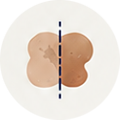
Asymmetry
one half looks different from the other
B
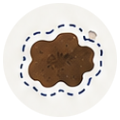
Border
uneven, irregular or blurred edges
C
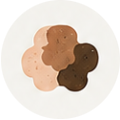
Colour
different colours or shades
D
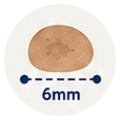
Diameter
larger than about 6 mm or getting bigger
E
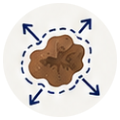
Evolving
changing in size, shape, colour or appearance
For raised spots, remember EFG
E
Elevated
F
Firm
G
Growing
For raised spots, also remember EFG — Elevated, Firm and Growing.
We can assess concerning spots and arrange further investigation, treatment or referral where needed. Not all skin cancers follow these rules. If you’re worried about a spot, have it checked.
Skin lesion assessment
Noticed something new or changing? Let’s take a look.
We can assess moles, spots, lumps, rashes and other skin changes, discuss what they may represent and advise whether monitoring, treatment or further investigation is needed.
Minor surgical procedures
Some procedures can be taken care of right here in the practice.
Many minor skin procedures can be performed safely in our treatment room, with most taking around 15–30 minutes and allowing you to go home the same day.
Where appropriate, our doctors can perform skin biopsies and removal of selected skin lesions under local anaesthetic.
Your doctor will explain what to expect, how to prepare and whether follow-up is needed. If more extensive care is required, we’ll arrange the appropriate referral.
Cryotherapy
A quick treatment for selected skin conditions.
Cryotherapy uses liquid nitrogen to freeze and remove selected abnormal or unwanted tissue – such as warts, some skin tags or sun-damaged lesions.
Treatment is usually quick with little recovery time. You may feel brief stinging or burning, followed by redness, tenderness or occasionally a blister as the area heals.
Cryotherapy isn’t suitable for every lesion, so your GP will assess the area first and discuss whether it’s appropriate for you.